Highbury waste disposal rules for cleaners in Islington: a practical guide for cleaner, safer jobs
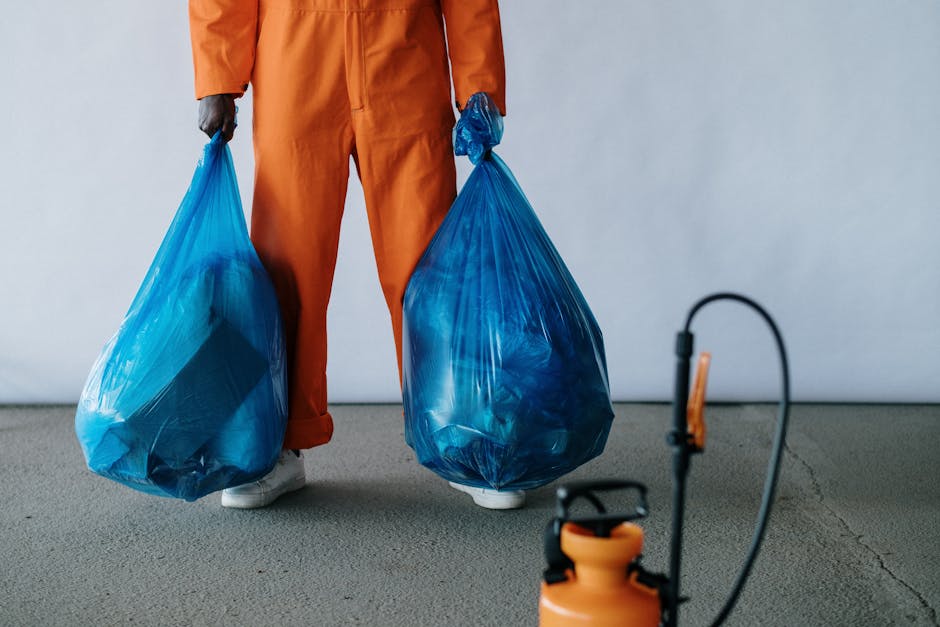
If you clean homes, flats, offices, or shared buildings in Highbury, waste handling is one of those jobs that looks simple until it isn't. A bag of cloths here, a box of packaging there, a half-empty spray bottle at the end of the shift - and suddenly you are dealing with sorting, storage, transfer, and disposal decisions that matter more than most people realise. This guide to Highbury waste disposal rules for cleaners in Islington explains the practical side in plain English, so you can work tidily, avoid mess, and keep clients, neighbours, and buildings on side.
Truth be told, waste rules are not the glamorous bit of cleaning. But they are one of the clearest signs of a professional operation. Handle waste badly and you create odour, pests, complaints, and sometimes compliance headaches. Handle it well and the whole job feels smoother, calmer, and more trustworthy.
Expert summary: The best waste disposal approach for cleaners in Highbury is simple: separate waste at the source, respect building rules, keep hazardous items out of general bags, and never assume someone else will sort it later.
Table of Contents
- Why Highbury waste disposal rules matter
- How waste disposal works in practice
- Key benefits and practical advantages
- Who this is for and when it makes sense
- Step-by-step guidance
- Expert tips for better results
- Common mistakes to avoid
- Tools, resources and recommendations
- Law, compliance, standards, or best practice
- Options, methods, or comparison table
- Case study or real-world example
- Practical checklist
- Conclusion
- Frequently Asked Questions
Why Highbury waste disposal rules in Islington matters
Waste disposal is not just about putting rubbish in the nearest bin. In a busy part of London like Highbury, cleaners often work in narrow hallways, shared bin stores, managed apartment blocks, and streets where space is tight. That means small mistakes become visible fast. A torn refuse sack, a wrong bin, or a pile of mixed debris left in a communal area can lead to complaints before the cleaner has even left the building.
There is also the matter of responsibility. A cleaner may be the person physically handling the waste, but the waste often belongs to the property, the household, the landlord, the tenant, or the business. That is why clear expectations matter. If no one has explained what can go where, the safest approach is to pause and check instead of guessing. A five-minute check can save a day of awkwardness later.
For cleaners in Islington, the practical reasons are easy to understand:
- to keep communal areas clean and free from odours
- to reduce the chance of contamination between waste streams
- to avoid leaving bags in places where bin crews or building managers may reject them
- to protect staff from sharps, chemicals, broken glass, and contaminated items
- to keep end-of-tenancy, office, or deep-clean jobs looking professional from start to finish
And yes, clients notice. They may not say much about correctly separated waste, but they will absolutely notice if the hallway smells like an overfilled bin room. Let's face it, nobody wants that.
How Highbury waste disposal rules for cleaners in Islington works
The basic idea is straightforward: cleaners should sort waste sensibly, follow the property's bin arrangement, and ensure anything unsafe, unusual, or restricted is dealt with separately. In real life, the exact process depends on the type of property and the kind of cleaning being carried out.
Most jobs fall into one of a few everyday patterns. In a domestic clean, you may only be dealing with general household waste, food scraps, packaging, and a few disposable items. In an end-of-tenancy cleaning or move-out cleaning job, the waste can include old toiletries, damaged storage items, broken hangers, food leftovers, and abandoned household clutter. In an office clean, it may be paper, cardboard, coffee cups, and confidential waste that needs special care. Different waste, different approach.
There are a few general principles that almost always apply:
- Separate as early as possible. The moment waste gets mixed, it is harder to deal with properly.
- Keep hazardous items apart. Cleaning chemicals, batteries, broken glass, sharps, and similar items should never be treated like general rubbish.
- Use the building's designated bins if provided. Many flats and managed properties in Highbury have specific bin stores or collection routines.
- Bag waste securely. No one wants leaks trailing down a stairwell. That is the sort of thing you smell before you see.
- Leave the site tidy. Even when rubbish is removed, the surrounding area should be swept or wiped if needed.
In some properties, cleaners also need to coordinate with building managers or residents' associations. This is especially true in blocks with shared bin rooms, recycling cages, or timed collections. A cleaner who understands those routines will usually finish faster and with fewer complaints.
Key benefits and practical advantages
Following sensible waste disposal rules is not just about avoiding trouble. It also improves the quality of the cleaning service itself. When waste is handled properly, the whole job feels more controlled and less rushed. That matters a lot on busy afternoons, especially when multiple properties are booked back-to-back.
Some of the biggest practical benefits are:
- Better hygiene: waste is less likely to spread germs, smells, or residues around the property
- Fewer client complaints: tidy disposal helps keep shared spaces clean and stress-free
- Less rework: if rubbish is sorted properly first time, there is no need to undo mistakes later
- Improved safety: staff are less exposed to broken items, leaks, and sharp edges
- Stronger professionalism: people trust a cleaner who leaves a place looking finished, not half done
There is also a money angle, although it is usually indirect. When cleaners avoid contamination, they reduce wasted time, avoid unnecessary return visits, and make handovers smoother. If you are working in a commercial or regular-cleaning setup, that can make a real difference over a month.
For clients who care about recycling and sustainability, good waste disposal also supports a more responsible service. That does not mean every clean turns into a recycling audit, of course, but it does mean being thoughtful rather than lazy about what ends up in which bag.
Who this is for and when it makes sense
This guidance is useful for a wide range of people, not just full-time cleaners. If you regularly deal with waste after a clean, it is relevant to you.
- Domestic cleaners who tidy kitchens, bathrooms, bedrooms, and living spaces
- End-of-tenancy cleaners clearing out abandoned rubbish and general property waste
- Office cleaners managing paper waste, bin liners, and shared kitchen refuse
- Communal-area cleaners responsible for hallways, bin stores, and shared entrances
- After-builders cleaners dealing with dust, packaging, rubble-like debris, and leftover materials
- Airbnb cleaners who need fast, neat turnover between stays
If you work in domestic cleaning or house cleaning, you may be dealing with much smaller volumes, but the expectations are still high. One overflowing bag in a narrow Highbury stairwell can cause more friction than people expect. Same with short-turnaround jobs like Airbnb cleaning or one-off cleaning, where timing is tight and the margin for error is tiny.
It also makes sense for property managers and team leads who want to standardise procedures. If everyone on the team handles waste a little differently, you will eventually get inconsistency. Not dramatic. Just messy enough to be annoying.
Step-by-step guidance
Here is a practical way to handle waste disposal on site without overcomplicating it. This is not fancy, just reliable.
- Check the property rules first. Before touching any rubbish, confirm whether the building has designated recycling, general waste, food waste, or bulky-item arrangements.
- Identify what you are dealing with. Look for general rubbish, recycling, food waste, glass, cardboard, cleaning chemical containers, and anything sharp or broken.
- Separate the waste into sensible groups. Keep reusable items aside if the client wants them retained. Do not assume something is rubbish just because it looks old.
- Bag and secure the waste. Use sturdy sacks, close them properly, and avoid overfilling. A bag that splits on the stairs can turn a simple job into a little disaster.
- Move waste using the cleanest route possible. Protect floors and shared spaces. In a period property or a narrow block, you can often hear the bag brush the banister; keep it controlled.
- Dispose into the correct bin or collection point. Follow the site's setup, not your assumption.
- Check for leftovers. Wipe or sweep the area where bags were stored or moved through, especially around entrances and bin rooms.
- Report anything unusual. If you find chemicals, medical items, broken glass, pest evidence, or illegal dumping, flag it rather than pretending it is normal.
A good rule of thumb: if the item would make you hesitate for even two seconds, treat it separately. That tiny pause is usually the difference between a tidy handover and a complaint later in the evening.
Expert tips for better results
After enough real-world cleaning jobs, you notice the same patterns. The teams that handle waste well tend to be calm, methodical, and a little boring in the best possible way.
- Carry spare liners. A spare bag saves time when the original is too small or unexpectedly damp.
- Keep a small "do not mix" habit. Build a mental habit for chemicals, blades, lightbulbs, batteries, and broken glass.
- Use a closed caddy for liquids and sprays. It stops leaks and keeps your disposal process cleaner from the start.
- Stage waste away from food areas. In kitchens, do not leave rubbish open while finishing the rest of the clean.
- Communicate with the client. If you find extra bags or bulky waste, ask before removing anything you are not contracted to take away.
One small but important tip: keep an eye on smell. If waste sits in a warm kitchen for just an hour or two, the scent changes quickly, especially in summer. A cool morning clean feels very different from an afternoon slot. You can almost tell by the air when something has been left too long.
For teams that want a more structured service, combining waste handling with a broader deep cleaning routine can be useful. Deep cleans are usually when hidden waste, neglected corners, and built-up clutter become visible, and that is exactly when a consistent system pays off.
Common mistakes to avoid
Waste disposal errors are usually simple, which is why they are so common. Nobody plans to make a mess. It just happens when a team is rushing.
- Putting everything in one bag. Mixed waste is harder to sort and can contaminate recycling.
- Leaving bags in corridors or shared entrances. In London buildings, that can become an immediate nuisance.
- Ignoring broken items. Broken glass, ceramics, and shards should be handled with care, not swept under the rug.
- Assuming chemical containers are harmless once empty. Residue can still matter.
- Forgetting about confidential waste. In offices, paper disposal may need more care than a general bin provides.
- Taking bulky rubbish without permission. Especially in rental or managed properties, that can create responsibility issues.
One quiet but costly mistake is failing to check bin collection timing. If a cleaner puts out waste too early, a building manager may move it back. Too late, and the bag may sit indoors for days. Neither is ideal. Slightly annoying, slightly avoidable - which is the worst kind of problem, really.
Tools, resources and recommendations
You do not need a van full of equipment to handle waste well. A modest, organised kit is usually enough.
| Item | Why it helps | Best used for |
|---|---|---|
| Heavy-duty bin liners | Reduces split bags and leaks | General waste, wet waste, post-clean disposal |
| Disposable gloves | Improves hygiene and basic protection | Mixed refuse, bin handling, bag removal |
| Closed cleaning caddy | Helps separate sprays and liquids | Mobile cleaning jobs and turnarounds |
| Brush and dustpan | Clears crumbs, shards, and loose debris | Kitchen waste zones, after-builders jobs |
| Labelled containers or sacks | Makes separation easier on larger jobs | Commercial cleaning, communal areas, team work |
From a service-planning point of view, it can also help to keep your job notes simple and consistent. If a property regularly produces extra bagged waste, note it. If the bin store is awkward, note that too. A good cleaner remembers patterns, not just tasks.
Where waste handling forms part of a wider regular service, it can be worth linking the process to regular cleaning or communal area cleaning plans, because recurring jobs benefit from repeatable routines. For clients with carpets, upholstery, or mattresses to maintain, services like carpet cleaning, upholstery cleaning, and mattress cleaning often generate waste on the side too, so a tidy disposal habit matters there as well.
Law, compliance, standards, or best practice
Because waste disposal can involve hygiene, environmental concerns, and property rules, cleaners should work cautiously and follow recognised UK best practice. This is especially true when waste includes chemicals, sharps, contaminated materials, or anything that could create risk for others.
In practical terms, that means:
- do not mix hazardous items with general waste
- follow the instructions of the property owner, manager, or site contact where available
- store waste safely until collection rather than leaving it loose
- avoid making assumptions about recycling, especially in shared buildings
- keep cleaning products and waste separated where sensible
There is also a health and safety angle. A cleaner who handles waste should understand the basic risks of slips, contamination, cuts, and exposure to unpleasant materials. If you are running a team, a written health and safety policy and sensible training routine are not just formalities; they help people do the job properly when the pressure is on.
Insurance and clear working practices matter too. If a bag bursts in a communal hallway or a client says an item was removed without permission, you want a process that shows care and accountability. A sensible approach is always better than an overconfident one. Always.
Options, methods, or comparison table
Not every property needs the same waste routine. Here is a simple comparison that shows how the approach changes depending on the job type.
| Cleaning scenario | Typical waste | Best approach | Main risk |
|---|---|---|---|
| Domestic cleaning | Food packaging, bathroom waste, household rubbish | Sort into the property's existing bins and keep it simple | Mixing recycling with general waste |
| End of tenancy | Leftover items, broken goods, mixed rubbish | Separate obvious keepsakes from disposable waste, confirm any removal | Throwing away something the client wanted kept |
| Office cleaning | Paper, cardboard, cups, packaging, confidential waste | Use dedicated bins and keep private documents separate | Confidential waste exposure |
| After builders | Dust, debris, packaging, sharp fragments | Bag carefully, sweep thoroughly, and handle sharp waste separately | Cuts and dust spread |
| Communal areas | Shared bin overflow, litter, occasional bulky bags | Work to building rules and keep routes clear | Blocking access or causing complaints |
For many cleaners, the best method is simply the one that fits the property. A small flat in Highbury does not need the same system as a shared office or post-renovation apartment. Matching the method to the site is half the battle.
Case study or real-world example
Here is a realistic example from a typical Highbury-style job. A cleaner arrives at a two-bedroom flat after a tenant has moved out. The kitchen is tidy enough, but there are three bin bags in the hallway, a broken lampshade by the bedroom door, and a bathroom shelf with old toiletries still inside. Nothing dramatic, just the usual little leftovers that make a property feel unfinished.
Instead of dumping everything together, the cleaner checks whether the landlord wants the toiletries kept, confirms that the lampshade is to be removed, and then separates the waste into general bags and breakable items. The bin bags are taken to the correct collection point, the hallway is swept, and the front entrance is left clear. No smell, no mess, no awkward message from the tenant afterwards.
That sort of job may sound ordinary, but ordinary is the point. Good waste handling usually prevents drama before it starts. You do the quiet work now and save everyone a headache later.
In a larger property, the same thinking applies with a bit more structure. A team on an office cleaning contract might have separate containers for paper, general waste, and secure disposal. A cleaner working on window cleaning may need to clear packaging and broken seals carefully. The details change. The principle does not.
Practical checklist
Use this quick checklist before you leave the property:
- Have I checked the building's bin setup or client instructions?
- Have I separated general waste, recycling, and any special items?
- Are all bags securely tied and not overfilled?
- Have I kept chemicals, sharp objects, and broken items apart?
- Have I removed waste using the safest route through the property?
- Have I left communal areas, entrances, and bin stores tidy?
- Have I flagged anything unusual to the client or supervisor?
- Have I avoided removing items that were not clearly part of the job?
- Have I checked for smell, spills, or stray debris before finishing?
If you can tick those off without hesitation, you are usually in good shape.
Get a free quote today and see how much you can save.
Conclusion
Highbury waste disposal rules for cleaners in Islington are really about common sense, consistency, and respect for the property you are working in. If you separate waste properly, follow building instructions, and treat hazardous or awkward items carefully, you will avoid most of the problems that trip people up.
That is the quiet truth of it. Good waste handling is not flashy, but it makes every other part of the clean look better. Clients notice the tidy finish. Building managers notice the lack of complaints. And cleaners, frankly, notice the difference in their own working day.
For service information, company details, and policies that support a more reliable working approach, you may also find it useful to look at about us, insurance and safety, and pricing and quotes. If you need to ask a question directly, the contact page is there too.
And if you take only one thing from this article, let it be this: a clean space is not truly finished until the waste is handled with care. That last step matters more than people think.
Frequently Asked Questions
What are Highbury waste disposal rules for cleaners in Islington in simple terms?
They are the practical expectations around sorting, bagging, moving, and disposing of waste safely and tidily while following the property's bin setup and any special instructions.
Do cleaners have to sort recycling separately?
Usually, yes, where the building or property provides separate recycling arrangements. If you are not sure, check with the client or site contact rather than guessing.
Can a cleaner throw away broken items during an end-of-tenancy clean?
Only if that has been agreed in advance. Broken items, abandoned belongings, and bulky waste can be sensitive, so it is safer to confirm before removing anything.
What should cleaners do with cleaning chemicals or spray bottles?
They should keep them separate from general waste when needed and follow the product instructions and site safety routine. Do not mix unknown residues into ordinary rubbish.
How should cleaners handle waste in shared hallways or communal bin stores?
Use secure bags, keep routes clear, and follow the building's collection rules. In communal areas, neatness matters a lot because one messy bag can affect everyone.
Is it okay to leave waste bags outside a flat for collection?
Only if the property rules allow it and the timing is right. In many buildings, leaving bags outside too early can cause complaints or be moved by management.
What is the safest way to deal with broken glass or sharp objects?
Use careful handling, proper gloves where appropriate, and secure packaging or bagging so nobody gets cut. If an item is particularly hazardous, treat it separately.
Do office cleaners need different waste rules from domestic cleaners?
Yes, often they do. Offices may have paper recycling, confidential waste, food waste, and larger bin volumes, so the disposal process usually needs more structure.
How do waste rules affect Airbnb or short-let cleaning?
They matter because turnaround time is tight and guests notice everything. Waste should be removed quickly, the area tidied, and bins reset so the next guest walks into a fresh space.
What mistakes cause the most trouble?
The biggest ones are mixing waste streams, leaving bags in the wrong place, removing items without permission, and ignoring sharps or chemicals. None of them are complicated, which is why they catch people out.
Does waste disposal affect cleaning quality scores or reviews?
Often yes, indirectly. Clients may not praise you for correct waste sorting, but they will definitely remember a clean exit, a tidy hallway, and the absence of lingering smells.
When should a cleaner ask for help instead of handling waste themselves?
Ask for help whenever waste looks hazardous, unusually bulky, confidential, contaminated, or outside the agreed scope. That is the sensible move, not a weak one.