Domestic Cleaning in Everyday Life: A Practical, Fresh, and Healthy Approach to a Cleaner Home
Domestic cleaning is more than a routine chore; it is a foundation for comfort, hygiene, and peace of mind. Whether you live in a compact apartment, a busy family home, or a larger property that needs regular upkeep, domestic cleaning plays a central role in creating a healthier and more inviting environment. A well-cleaned home supports better indoor air quality, reduces clutter-related stress, and helps protect surfaces, fabrics, and fixtures from long-term damage.
In many households, domestic cleaning is something that gets done in small bursts between work, school runs, errands, and family commitments. That is why having a smart approach matters. Instead of cleaning randomly or waiting until mess becomes overwhelming, a structured domestic cleaning routine helps you stay in control. It also makes it easier to maintain standards without spending every spare minute on housework.
From daily tidying to deep cleaning tasks, domestic cleaning can be tailored to fit different lifestyles, property sizes, and priorities. Some people prefer to handle everything themselves, while others choose professional domestic cleaning services to save time and achieve a more consistent finish. Either way, understanding what effective home cleaning involves can make a noticeable difference.
Why Domestic Cleaning Matters for Modern Homes
Modern living can be busy, and busy homes often collect dust, grime, and clutter faster than people expect. Domestic cleaning helps bring order back into the environment and supports a more balanced lifestyle. When a home is cleaned regularly, it becomes easier to relax, host visitors, and complete daily tasks without distractions.
Clean surroundings can influence mood, productivity, and overall wellbeing. A tidy kitchen encourages healthier cooking habits. A clean bathroom feels more comfortable to use. Fresh floors and surfaces reduce the risk of bacteria build-up and allergen accumulation. These benefits make domestic cleaning an important part of household management rather than just an occasional task.
There is also a practical side to keeping up with domestic cleaning. Dirt, grease, and dust can wear down surfaces over time, especially in high-traffic areas. Regular cleaning helps preserve flooring, upholstery, appliances, and fixtures, which may reduce repair or replacement costs later on.
Understanding the Core Areas of Domestic Cleaning
Domestic cleaning covers much more than sweeping floors or wiping counters. A complete approach includes multiple zones in the home, each with its own requirements. Living rooms, kitchens, bathrooms, bedrooms, hallways, and utility areas all need different cleaning methods depending on their use and the materials involved.
For many households, the most effective domestic cleaning routines focus on the areas that get used the most. That usually means prioritising kitchens and bathrooms, followed by floors, bedrooms, and shared living spaces. Keeping these areas clean can have the biggest impact on the overall appearance and hygiene of the property.
Different domestic cleaning tasks may also be grouped into daily, weekly, and periodic jobs. Daily tasks often include wiping surfaces, washing dishes, and general tidying. Weekly tasks may involve vacuuming, mopping, dusting, and disinfecting high-touch points. Less frequent tasks usually include deep cleaning ovens, washing windows, and cleaning behind furniture.
High-traffic zones that need consistent attention
- Kitchen surfaces: counters, sinks, hobs, cabinet doors, and splashbacks
- Bathrooms: toilets, basins, showers, taps, mirrors, and tiles
- Floors: carpets, hardwood, laminate, vinyl, and tiled areas
- Living spaces: coffee tables, shelves, remote controls, and soft furnishings
- Bedrooms: bedding, under-bed areas, wardrobes, and bedside surfaces
Daily Domestic Cleaning Habits That Keep Homes in Shape
Small everyday habits can dramatically reduce the amount of cleaning needed later. In domestic cleaning, consistency is often more effective than intensity. A few minutes spent clearing countertops, sorting mail, or wiping a spill can prevent mess from spreading across the home.
One of the simplest habits is to clean as you go. In the kitchen, this means washing utensils while cooking, wiping spills immediately, and loading the dishwasher or rinsing dishes after meals. In bathrooms, it means wiping the sink after use and hanging towels properly so moisture does not linger.
Another helpful habit is a short evening reset. Before bed, it can be useful to return items to their places, empty bins if needed, and do a quick sweep of the main rooms. This keeps the home ready for the next day and helps reduce morning stress.
Helpful daily domestic cleaning actions
Even a brief routine can make home maintenance feel manageable. Consider incorporating the following:
- Make beds in the morning
- Clear kitchen counters after meals
- Wipe down bathroom sinks and taps
- Put shoes, bags, and coats away
- Do a 5-10 minute evening tidy-up
Weekly Domestic Cleaning: Building a Reliable Routine
Weekly domestic cleaning is where most homes stay truly manageable. This is the stage that addresses surface dust, light grime, and the kind of dirt that accumulates naturally over time. By setting a weekly cleaning schedule, households can keep their spaces consistently fresh without turning every weekend into a full-day chore.
A balanced weekly domestic cleaning routine usually includes dusting, vacuuming, mopping, bathroom cleaning, and kitchen sanitising. These are the tasks that help a home look and feel clean from room to room. When done regularly, they also stop dirt from becoming stubborn and difficult to remove.
It can help to assign tasks by room or by day. Some people prefer a zone-based approach, cleaning one room deeply at a time. Others prefer a task-based approach, such as vacuuming all rooms on one day and cleaning bathrooms on another. The best method is the one that fits your schedule and is easy to maintain.
Example weekly domestic cleaning checklist
- Dust shelves, skirting boards, and furniture surfaces
- Vacuum carpets and soft furnishings
- Mop hard floors
- Clean bathroom fixtures and mirrors
- Disinfect kitchen touchpoints
- Change bedding and towels as needed
- Empty bins and replace liners
Deep Domestic Cleaning and Why It Should Not Be Ignored
Even with a strong daily and weekly routine, some tasks require a deeper level of attention. Deep domestic cleaning tackles areas that are often forgotten, such as behind appliances, under furniture, inside cupboards, and around hard-to-reach corners. These jobs may not need to be done every week, but they are essential for long-term cleanliness.
Deep domestic cleaning can be especially useful before special occasions, after seasonal changes, or when a home begins to feel stale despite regular upkeep. It can also improve hygiene in areas where bacteria, dust, and moisture naturally gather, such as around sinks, drains, extractor fans, and grout lines.
Many people find that scheduling deep cleaning once every few months helps keep the entire home in better condition. It is also a smart way to refresh the property after a period of heavy use, such as school holidays, winter months, or a house move.
Common deep domestic cleaning tasks
Deep cleaning goes beyond surface-level tidying and often includes:
- Cleaning inside ovens, fridges, and cupboards
- Washing walls, doors, and switches
- Descaling taps and showerheads
- Cleaning behind sofas and appliances
- Steam cleaning carpets or upholstery
- Polishing fixtures and fittings
Room-by-Room Domestic Cleaning Priorities
Different rooms have different cleaning needs, which is why domestic cleaning is most effective when it is organised by space. A targeted approach helps you spend time where it matters most and avoid overlooking problem areas.
In the kitchen, hygiene is the main priority because food preparation happens there. In the bathroom, moisture control and sanitising are essential. In bedrooms, dust reduction and fabric care matter more. Living rooms often require a mix of dusting, vacuuming, and surface organisation.
By thinking room by room, domestic cleaning becomes more logical and less overwhelming. It also makes it easier to decide what should be done daily, weekly, or monthly.
Kitchen cleaning focus
- Sanitise worktops and sink areas
- Remove grease from hobs and extractor fans
- Wipe cupboard fronts and handles
- Clean fridge shelves and bins
Bathroom cleaning focus
- Disinfect toilets and basins
- Remove limescale from fixtures
- Scrub grout and tiles
- Keep mirrors and glass streak-free
Bedroom cleaning focus
- Dust bedside units and wardrobes
- Vacuum floors and under the bed
- Wash bedding regularly
- Maintain clutter-free surfaces
Domestic Cleaning Products and Tools That Make the Job Easier
Choosing the right products and tools can make domestic cleaning faster, safer, and more effective. There is no need to fill cupboards with dozens of items. A few reliable essentials are usually enough to handle most home cleaning tasks.
Microfibre cloths, a quality vacuum cleaner, a mop, a scrub brush, and an all-purpose cleaner are among the most useful domestic cleaning tools. With these basics, most households can manage daily upkeep and weekly maintenance with little fuss. For tougher tasks, specialised products may help with limescale, grease, or carpet stains.
It is also worth considering whether you prefer traditional cleaners or eco-friendly alternatives. Many households now choose plant-based and low-toxicity products because they are kinder to the environment and easier to use around children and pets. Whatever you choose, always follow safety instructions and test new products on a small area first.
Useful tools for domestic cleaning
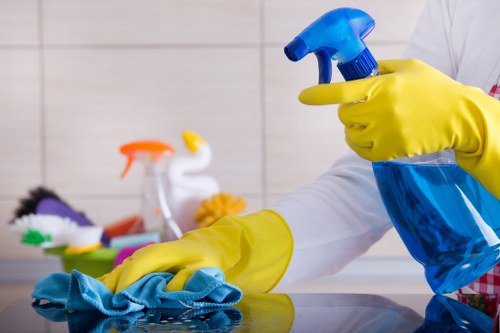
- Microfibre cloths for dusting and polishing
- Vacuum cleaner with multiple attachments
- Mop and bucket or spray mop
- Scrubbing brush for grout and stubborn marks
- Spray bottles for diluted solutions
- Lint roller for upholstery and fabric surfaces
- Rubber gloves for protection
How Professional Domestic Cleaning Services Can Help
Some households keep up with home cleaning themselves, while others choose professional domestic cleaning services for support. This can be especially helpful for busy families, older adults, property managers, and anyone who wants a higher level of consistency without sacrificing their free time.
Professional domestic cleaning often brings experience, efficiency, and attention to detail. Cleaners who work in homes regularly know how to handle different surfaces, cleaning products, and room types. They can also tailor the service to specific needs, whether the focus is regular upkeep, deep cleaning, or cleaning before or after an event.
Using a trusted cleaning service can be a practical way to stay on top of household responsibilities. It may also be useful when life gets busier than usual, such as during work deadlines, moving house, or caring for family members.
Common reasons people choose domestic cleaning support
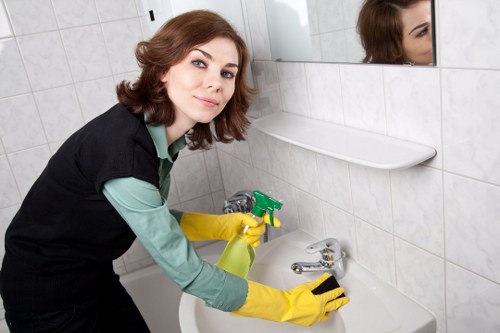
- To save time during a busy week
- To maintain a higher cleaning standard
- To prepare for guests or special occasions
- To reduce household stress
- To handle deep cleaning tasks more efficiently
Domestic Cleaning for Families, Professionals, and Shared Homes
Domestic cleaning needs often vary depending on who lives in the property. A family home with children and pets may require more frequent cleaning than a single-person apartment. Shared homes also need clear expectations so that everyone contributes to keeping the space tidy and sanitary.
For families, domestic cleaning often focuses on safety, speed, and resilience. Floors may need frequent vacuuming, kitchen surfaces may need regular disinfecting, and laundry can pile up quickly. For professionals with demanding schedules, the aim may be to keep cleaning routines short but effective. In shared homes, consistency and communication are key to preventing mess from becoming a source of tension.
The good news is that domestic cleaning can be adapted to almost any household. Once the routine is realistic, it becomes much easier to keep a property in good condition without feeling constantly behind.
Practical tips for different households
- Families: focus on easy-to-repeat routines and child-friendly storage
- Professionals: use short, timed sessions and weekly priorities
- Shared homes: assign tasks clearly and set shared cleaning standards
- Pet owners: increase vacuuming and manage fur, odours, and paw marks
Eco-Friendly Domestic Cleaning and Healthier Choices
Eco-friendly domestic cleaning is becoming increasingly popular because it supports a healthier indoor environment and reduces harsh chemical exposure. Many households are now looking for alternatives that are effective yet gentler on skin, surfaces, and the environment.
Simple changes can make a meaningful difference. Using reusable cloths instead of disposable wipes, choosing biodegradable cleaners, and reducing unnecessary product use are all practical steps. Good ventilation is also important, especially when using stronger cleaning products in kitchens or bathrooms.
Eco-friendly domestic cleaning does not mean less effective cleaning. In many cases, it means being more thoughtful and efficient. By using the right amount of product and focusing on routine maintenance, you can achieve excellent results while keeping the home environment more balanced.
Examples of greener cleaning habits
- Use microfibre cloths to reduce paper waste
- Choose refillable spray bottles
- Ventilate rooms while cleaning
- Avoid overusing chemical products
- Clean regularly to prevent heavy build-up
Staying Motivated and Making Domestic Cleaning Less Overwhelming
One of the biggest challenges with domestic cleaning is not knowing where to start. When tasks pile up, the job can feel bigger than it really is. The key is to break cleaning into smaller actions and build a routine that feels realistic rather than perfect.
Some people find motivation through music, timers, or reward-based routines. Others prefer to clean at the same time each week so it becomes automatic. The goal is not to make domestic cleaning exciting; it is to make it manageable and repeatable.
When cleaning is broken into smaller steps, the entire process becomes far less stressful. A few focused sessions each week usually produce better results than one exhausting catch-up day. Over time, this approach helps keep the home cleaner with less effort.
Simple ways to stay on track
- Start with the most visible room
- Use a timer for short cleaning bursts
- Keep supplies easy to reach
- Follow a checklist to avoid missed tasks
- Celebrate consistency rather than perfection
Why Domestic Cleaning Supports a Better Quality of Life
Domestic cleaning affects more than appearance. It influences how a home functions, how people feel in it, and how easily they can move through everyday life. Clean surroundings can make cooking simpler, sleeping more restful, and family routines less chaotic.
There is also a sense of satisfaction that comes from maintaining a clean home. Even if the process takes effort, the result often brings calm and clarity. That is why domestic cleaning remains such a valuable part of home care, even in busy households where time is limited.
If you want a home that feels more organised, more hygienic, and more welcoming, a consistent domestic cleaning routine is one of the best places to start. Whether you handle it yourself or rely on professional help, keeping your home clean will always be a worthwhile investment in comfort and wellbeing.
Contact us today if you are ready to improve your home environment with a reliable domestic cleaning approach, and book your service now to enjoy a fresher, more comfortable space.