Deep Cleaning in Modern Homes: A Practical Approach to a Healthier Space
Deep cleaning is more than a once-in-a-while chore. It is a focused, thorough process that removes hidden dirt, built-up grime, allergens, and bacteria from areas that regular cleaning often misses. Whether you are preparing for a seasonal refresh, moving in or out of a property, or simply wanting a cleaner, more comfortable environment, deep cleaning can transform the look and feel of a home or workspace.
Unlike routine tidying, deep cleaning targets the overlooked spots: behind appliances, under furniture, inside vents, on baseboards, around fixtures, and in high-touch areas that collect residue over time. It improves hygiene, supports better indoor air quality, and helps preserve the condition of surfaces and furnishings. For many households, deep cleaning is the difference between a space that looks clean and one that truly feels fresh.
In this article, we’ll explore what deep cleaning involves, why it matters, which rooms need the most attention, and how to approach it effectively. You’ll also find practical tips, scheduling ideas, and best practices to help make the process more manageable and efficient.
What Deep Cleaning Really Means

At its core, deep cleaning is a detailed cleaning method designed to reach beyond visible surfaces. Regular cleaning may involve wiping counters, sweeping floors, and dusting open areas. Deep cleaning goes further by addressing layers of buildup, hidden corners, and neglected zones that can harbor dust, mold, grease, and allergens.
This process often includes scrubbing, disinfecting, decluttering, dust removal from hard-to-reach places, and careful attention to materials that require special handling. In deep cleaning, every room is treated with a closer eye, and tasks are usually completed in a more systematic way than day-to-day maintenance.
Many people assume deep cleaning is only necessary when a space looks dirty. In reality, it is valuable even in tidy homes because invisible contaminants accumulate over time. That is why deep cleaning is often recommended during seasonal changes, after illness, before events, or whenever a property needs a reset.
Why Deep Cleaning Matters for Every Space
There are several important reasons to prioritize deep cleaning. First, it supports healthier indoor conditions by reducing dust, pet dander, pollen, bacteria, and other pollutants that settle in hidden areas. Second, it helps extend the life of your surfaces, fixtures, carpets, and appliances by preventing buildup that can cause wear or damage.
Third, deep cleaning can improve comfort and appearance. A thoroughly cleaned room smells fresher, looks brighter, and feels more inviting. It can also reduce stress by creating a sense of order and control, which many people find especially helpful in busy households or shared environments.
Finally, deep cleaning is useful for protecting investments. Flooring, upholstery, tile grout, countertops, and appliances all benefit from regular care. When buildup is removed before it becomes stubborn, maintenance becomes easier and less expensive over time.
Common benefits include:
- Reduced dust and allergens
- Improved indoor air quality
- Better hygiene in high-touch areas
- Longer lifespan for household surfaces
- A fresher, more organized environment
Deep Cleaning vs. Regular Cleaning
It helps to understand the difference between routine cleaning and deep cleaning. Regular cleaning is about maintenance. It keeps a space presentable through recurring tasks like vacuuming, wiping visible surfaces, and cleaning sinks. Deep cleaning, by contrast, is about restoration and detail.
For example, regular cleaning may include sweeping the kitchen floor, while deep cleaning includes moving appliances to clean behind them, scrubbing the baseboards, disinfecting handles, and removing grease from cabinet fronts. In bathrooms, regular cleaning might involve wiping the sink and toilet, while deep cleaning reaches tile grout, shower tracks, fixtures, and hidden mildew spots.
Both are important, but they serve different purposes. If regular cleaning is the weekly maintenance plan, deep cleaning is the periodic reset that brings everything back to a higher standard of cleanliness and freshness.
Simple comparison:
- Regular cleaning: fast, frequent, surface-level maintenance
- Deep cleaning: slower, detailed, thorough cleaning of hidden and hard-to-reach areas
Key Areas That Need Deep Cleaning
Every property has spots that tend to collect grime faster than others. In deep cleaning, these areas deserve special attention because they often impact both appearance and hygiene. Kitchens and bathrooms are usually at the top of the list, but bedrooms, living rooms, hallways, and utility spaces can also hold surprising amounts of dust and debris.
In the kitchen, grease, food residue, and spills accumulate on cabinets, backsplashes, appliance handles, and vents. In bathrooms, moisture creates ideal conditions for soap scum, mildew, and mineral buildup. Bedrooms may contain dust in fabrics, under beds, and inside closets. Living rooms often collect pet hair, crumbs, and dust in upholstery and corners.
Hidden or forgotten spaces are just as important. Behind the refrigerator, under sofas, along window tracks, around air vents, and beneath storage furniture are all areas that benefit from a careful deep cleaning routine.
Rooms and areas to prioritize:
- Kitchen appliances and cabinets
- Bathroom tile, grout, and fixtures
- Baseboards and trim
- Window sills and blinds
- Under furniture and beds
- Air vents, fans, and light fixtures
How to Plan a Deep Cleaning Routine
A successful deep cleaning session usually starts with a plan. Without one, the work can feel overwhelming and time-consuming. Breaking the task into zones, categories, or rooms makes the process more manageable and helps ensure nothing is missed.
Start by deciding whether you want to deep clean the entire property at once or tackle one room at a time. Many people prefer a room-by-room method because it creates visible progress and reduces fatigue. Others choose a task-based system, such as dusting the whole home first, then moving to floors, then disinfecting surfaces.
It also helps to gather supplies before beginning. Having everything ready saves time and avoids interruptions. A well-organized plan keeps the process efficient and makes deep cleaning feel less like a massive chore and more like a series of achievable steps.
Helpful planning checklist:
- Choose rooms or zones in order
- Set realistic time blocks
- Gather cleaners, cloths, brushes, and gloves
- Declutter before scrubbing
- Work top to bottom to prevent re-dusting
Deep Cleaning the Kitchen
The kitchen is one of the most important spaces to target during deep cleaning because it is a high-traffic area where food, moisture, and grease accumulate quickly. Even if the kitchen appears tidy, hidden buildup can remain on cabinet handles, behind appliances, in drawer corners, and around the sink.
Begin by removing items from countertops and wiping down every surface. Clean the inside and outside of appliances, including the microwave, oven, refrigerator, toaster area, and dishwasher exterior. Pay close attention to knobs, handles, and touchpoints. These areas often carry fingerprints, residue, and bacteria that routine cleaning may not fully remove.
Don’t forget to clean the sink drain, backsplash, range hood, and cabinet fronts. If possible, move lightweight appliances or furniture to clean underneath them. A proper deep cleaning in the kitchen can dramatically improve both hygiene and appearance.
Kitchen deep cleaning tasks:
- Degrease stovetops and range hoods
- Wipe inside cabinets and drawers
- Clean refrigerator shelves and seals
- Scrub sink and faucet fixtures
- Disinfect high-touch handles and switches
- Vacuum and mop behind and beneath appliances
Deep Cleaning the Bathroom

Bathrooms demand special attention because humidity, soap residue, and frequent use create ideal conditions for buildup. Deep cleaning in bathrooms should focus on disinfecting surfaces, removing mineral deposits, and tackling hidden areas where grime tends to settle.
Start with the sink, toilet, shower, bathtub, and mirror. Scrub tile grout and caulk lines carefully, as these often trap dirt and discoloration. Clean shower doors, curtain rods, faucet bases, and behind the toilet. For a more effective deep cleaning, check ventilation fans and light fixtures as well.
Bathrooms also benefit from regular airing out after cleaning. Proper ventilation helps reduce moisture and limits future buildup. When done well, deep cleaning in the bathroom can make the entire room look brighter and feel more sanitary.
Bathroom deep cleaning checklist:
- Disinfect toilet, sink, and tub or shower
- Scrub grout and remove mildew
- Polish mirrors and fixtures
- Clean behind and around toilet bases
- Wash bath mats and shower curtains
- Dust vents and exhaust fans
Deep Cleaning Bedrooms and Living Areas
Bedrooms and living rooms may appear cleaner than kitchens or bathrooms, but they still require regular deep cleaning. These spaces collect dust in fabrics, curtains, carpets, vents, and hidden corners. Upholstery also traps pet hair, skin cells, and allergens, which can build up over time.
In bedrooms, focus on under the bed, behind nightstands, inside closets, and around window areas. Wash bedding, vacuum mattresses, and dust lamps, frames, and shelves. In living areas, clean sofas, armchairs, coffee tables, entertainment units, and decorative items. Do not ignore baseboards, ceiling fans, and electronics, as they often carry dust that is easy to miss.
A thoughtful deep cleaning of these rooms can improve comfort and reduce allergy triggers. It also creates a more pleasant atmosphere for relaxation, sleep, and family time.
Important tasks for bedrooms and living rooms:
- Vacuum carpets and upholstered furniture
- Wash throws, cushion covers, and bedding
- Dust blinds, shelves, and décor
- Clean under furniture and beds
- Wipe remote controls, switches, and handles
- Refresh curtains and fabric surfaces
Tools and Supplies That Make Deep Cleaning Easier
Using the right supplies can make deep cleaning far more efficient. While every space is different, a well-stocked cleaning kit should include basics that work across multiple surfaces and conditions. Having the correct tools also reduces the chance of damage, especially on delicate materials like wood, stone, glass, or stainless steel.
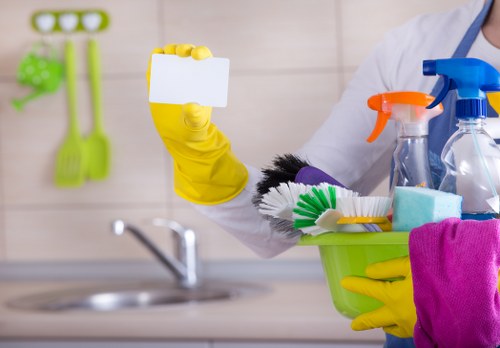
Common essentials include microfiber cloths, a vacuum cleaner with attachments, a mop, an all-purpose cleaner, disinfectant, scrub brushes, sponges, gloves, and a bucket. For tougher tasks, you may need grout cleaner, degreaser, a glass cleaner, or a limescale remover. Always test products on a small area first if you are unsure how a surface will react.
Organization matters too. Keep supplies in one place, label sprays if needed, and store reusable tools properly after each use. This makes each future deep cleaning session quicker and less stressful.
Useful supplies list:
- Microfiber cloths and dusters
- Vacuum with crevice and brush tools
- Mop and bucket
- Scrub pads and grout brush
- Disinfecting spray or wipes
- Glass and stainless-steel cleaners
- Protective gloves
When to Schedule Deep Cleaning
There is no single rule for how often deep cleaning should happen, but many households benefit from seasonal sessions or scheduled intervals every few months. The right timing depends on how busy the property is, how many people live there, whether pets are present, and whether anyone in the home has allergies or respiratory sensitivities.
Seasonal shifts are a natural time to refresh a space. Spring and fall are especially popular for deep cleaning because they align with changes in weather, humidity, and daily routines. Events like moving, hosting guests, recovering after illness, or returning from travel can also be good times to do a thorough cleaning reset.
Commercial spaces, rental properties, and high-use homes may need deep cleaning more often. A regular schedule helps prevent buildup and keeps maintenance easier throughout the year. In many cases, deep cleaning works best when it is planned instead of left until things become visibly dirty.
Common timing ideas:
- Seasonal deep cleaning every 3 to 4 months
- Before or after major events
- After moving in or moving out
- After illness in the home
- Whenever dust, grime, or odors become noticeable
Benefits of Professional Deep Cleaning Services
While many people handle deep cleaning themselves, professional service can be a smart option when time is limited, the home needs extra attention, or the job involves tough buildup. A trained team can often work faster, use specialized equipment, and clean areas that are difficult to reach without the right tools.
Professional deep cleaning is especially helpful for post-renovation cleanup, move-in and move-out situations, or properties that need a detailed reset. It can also be useful for larger homes, senior households, or busy families that struggle to fit a full deep cleaning routine into their schedules.
Another benefit is consistency. A professional approach often follows a systematic checklist, helping ensure the job is completed thoroughly. If you want to save time and reduce stress, deep cleaning done by specialists can be a valuable investment in the condition of your space.
Why people choose professional help:
- Time-saving convenience
- Access to advanced tools and products
- Better results on stubborn buildup
- Reduced physical strain
- More detailed cleaning of hidden areas
Simple Mistakes to Avoid During Deep Cleaning
Even with the best intentions, it is easy to make mistakes during deep cleaning. One of the most common is cleaning in the wrong order. Starting with floors before dusting surfaces can cause you to clean the same area twice. Another mistake is using too much product, which can leave residue behind and attract more dirt over time.
Skipping small details is also a problem. Items like switch plates, door handles, vent covers, and trim may seem minor, but they contribute significantly to the overall cleanliness of a space. Similarly, using the wrong cleaner on delicate surfaces can cause damage or dull finishes. Always read product instructions and match cleaners to the surface being treated.
Perhaps the biggest mistake is trying to rush the process. Effective deep cleaning takes time, patience, and attention to detail. A slower, more deliberate approach usually leads to better and longer-lasting results.
Common mistakes to avoid:
- Cleaning floors before dusting higher surfaces
- Using harsh chemicals on sensitive materials
- Skipping hidden areas and touchpoints
- Applying too much cleaning solution
- Not letting products sit long enough when needed
How Deep Cleaning Supports a Better Lifestyle
Beyond appearance, deep cleaning contributes to a more comfortable and balanced living environment. A cleaner space can reduce mental clutter and make daily routines feel smoother. Many people find that a refreshed home encourages healthier habits, better organization, and a stronger sense of well-being.
Clean surroundings can also support productivity. When surfaces are uncluttered and rooms feel fresh, it becomes easier to focus, relax, and complete tasks. In family homes, deep cleaning may even improve routines by making spaces more functional and pleasant to use.
For those who care about long-term upkeep, deep cleaning is not just about appearance. It is a practical habit that supports comfort, cleanliness, and better care for the place you live or work in every day.
Long-term lifestyle advantages:
- Less stress from clutter and mess
- Healthier indoor environment
- Better home maintenance habits
- Improved comfort and livability
- More confidence in your space
Final Thoughts on Deep Cleaning
Deep cleaning is one of the most effective ways to refresh a space, protect surfaces, and maintain a healthier home or workplace. It reaches areas that routine tidying often misses, helping remove grime, dust, allergens, and hidden buildup that can affect both appearance and hygiene. With the right plan, supplies, and timing, deep cleaning becomes much more manageable.
Whether you are deep cleaning a kitchen, bathroom, bedroom, or the entire property, the payoff is clear: a fresher environment, better organization, and greater comfort. If the job feels too large to handle alone, there is nothing wrong with seeking professional support. The goal is to create a space that feels clean, inviting, and easy to maintain.
If your home or business is ready for a thorough reset, contact us today and take the next step toward a cleaner, healthier environment. Book your service now and enjoy the difference that a detailed, well-executed deep cleaning can make.